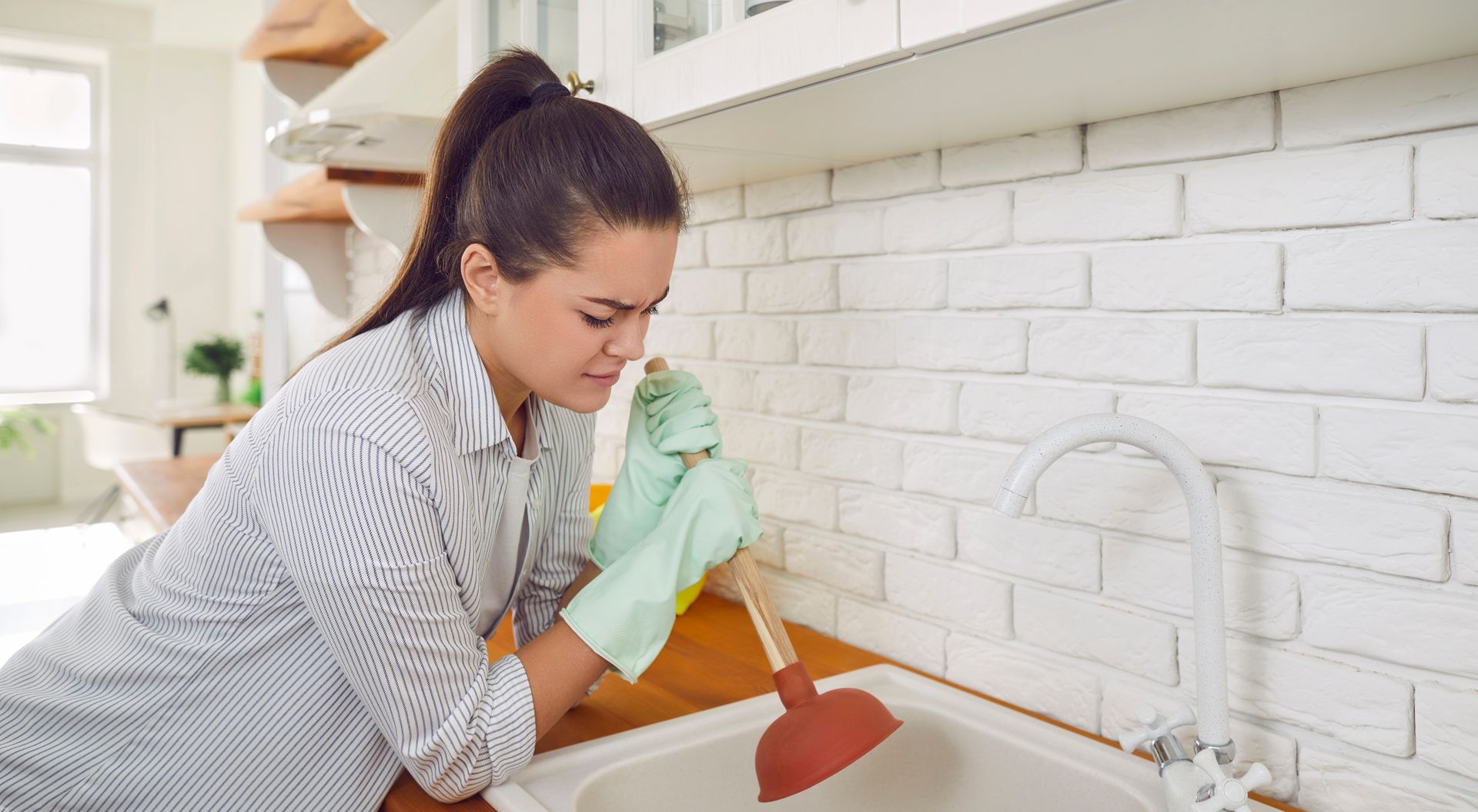
Most homeowners have experienced the frustration of a clogged drain at some point. You turn on the sink, take a shower, or start washing dishes, and suddenly the water starts rising instead of draining away. It is inconvenient, messy, and sometimes even a little gross. Drain stoppages are one of the most common plumbing issues in homes, and they rarely happen at a convenient time.
The good news is that most drain problems have clear causes and reliable solutions. Understanding what leads to blockages can help you prevent them in the future and know when it is time to call a clogged drain cleaning service. Professional plumbers use specialized tools and techniques to remove stubborn clogs and restore proper flow to your plumbing system.
Below we will look at the most common causes of drain stoppages and how professional blocked drain cleaning services and residential drain cleaning experts solve these problems.
Why Clogged Drains Happen in Most Homes
Drains work hard every day. From food scraps in the kitchen to hair and soap in the bathroom, plumbing systems handle a surprising amount of material. Over time, even small amounts of debris can accumulate inside pipes and eventually slow or stop the flow of water.
One of the main reasons homeowners need residential drain cleaning is simple buildup. Pipes may appear clean from the outside, but inside they can slowly collect layers of grease, soap, and debris. As the buildup thickens, water has less room to pass through the pipe.
Several factors make clogged drains more likely.
Common contributors to drain stoppages include:
- Grease and cooking oils: Grease may go down the drain as a liquid, but it cools and solidifies inside pipes. Over time it forms a sticky layer that traps other debris.
- Hair buildup: Hair easily tangles together and combines with soap residue. This is one of the most common causes of shower and sink clogs.
- Soap residue: Soap mixes with minerals in water to create a substance known as soap scum. This material can stick to pipe walls and restrict water flow.
- Food scraps: Small pieces of food may slip past garbage disposals and become trapped inside pipes.
- Foreign objects: Items like wipes, cotton swabs, or paper products often cause stubborn blockages.
These everyday materials gradually collect inside pipes, eventually leading to a drain that moves water slower and slower until it stops completely. When that happens, a professional clogged drain cleaning service can safely remove the blockage.
The Most Common Drain Blockages in Kitchens and Bathrooms
Although drains exist throughout the home, kitchens and bathrooms are where most blockages occur. These areas handle the majority of daily water use and are exposed to materials that can easily create clogs.
Kitchen Drain Problems
Kitchen sinks deal with grease, food particles, soap, and cooking residue every day. Even with a garbage disposal, certain materials can accumulate inside pipes and form blockages.
Frequent causes of kitchen drain clogs include:
- Grease and fats from cooking
- Coffee grounds
- Rice or pasta that expands with water
- Vegetable peels or food scraps
- Soap buildup from dishwashing
Grease is particularly problematic because it sticks to the inside of pipes and gradually traps other debris. What starts as a thin coating can eventually grow thick enough to restrict water flow. When this happens, homeowners often need blocked drain cleaning services to fully remove the buildup.
Bathroom Drain Problems
Bathroom drains face a different set of clogging materials. Hair and soap residue are the biggest culprits.
Common bathroom clog sources include:
- Hair from showers or shaving
- Soap scum and shampoo residue
- Toothpaste buildup
- Cotton swabs or hygiene products
- Small objects accidentally dropped into the sink
Hair is especially troublesome because it acts like a net inside pipes. It traps soap, dirt, and other debris, forming a dense clog that can be difficult to remove without professional equipment.
When these materials combine, they often create stubborn blockages that require a professional clogged drain cleaning service to clear completely.
How Professional Drain Cleaning Services Fix Stubborn Clogs
While many homeowners try to solve drain problems with store bought cleaners or plungers, these methods often provide only temporary relief. In some cases chemical cleaners can even damage pipes over time.
Professional blocked drain cleaning services use specialized tools designed to remove clogs safely and effectively.
Drain Snaking
A plumbing snake, also known as an auger, is one of the most common tools used by plumbers. The flexible cable is inserted into the drain and rotated through the pipe to break apart the blockage or pull it out.
Drain snaking works well for:
- Hair clogs
- Soap buildup
- Food debris
- Minor grease blockages
Hydro Jetting
For more severe drain problems, plumbers may use hydro jetting. This process uses high pressure water to blast away buildup inside pipes.
Hydro jetting can remove:
- Thick grease deposits
- Mineral buildup
- Sludge and debris
- Tree root intrusion
This method not only clears the clog but also cleans the interior walls of the pipe, restoring proper water flow.
Video Camera Inspections
If clogs continue returning, plumbers may use a small camera to inspect the inside of pipes. This allows them to identify hidden problems such as pipe damage or root intrusion.
By identifying the exact cause of the blockage, professionals can recommend the most effective residential drain cleaning solution.
Simple Ways to Prevent Future Drain Stoppages
While professional drain cleaning can solve existing problems, a few simple habits can help prevent clogs from forming in the first place.
Helpful prevention tips include:
- Avoid pouring grease or oil down the sink
- Use drain strainers to catch hair and food debris
- Dispose of coffee grounds in the trash instead of the drain
- Flush only toilet paper in toilets
- Run hot water after washing dishes to help move grease through pipes
It is also a good idea to watch for early warning signs such as slow drains, unpleasant odors, or gurgling sounds. These symptoms often indicate buildup forming inside pipes.
Scheduling periodic residential drain cleaning can remove that buildup before it turns into a complete blockage.
Professional Drain Cleaning Services in Jarrell TX and Surrounding Areas
If your sink, shower, or kitchen drain is not draining properly, the team at M3 Plumbing Services is here to help. We provide reliable clogged drain cleaning service, expert blocked drain cleaning services, and professional residential drain cleaning for homeowners and businesses in Jarrell, TX and surrounding communities. Our experienced plumbers use professional equipment to remove stubborn clogs and restore proper drainage so you can get back to your daily routine without the frustration of slow drains.
Drain problems rarely happen at convenient times, but our team is ready to help when you need it. In addition to drain cleaning, we also provide dependable emergency plumbing, accurate leak detection, and safe gas line services for homes and commercial properties. Call 512-739-1984 today to schedule service with M3 Plumbing Services and let our team handle your plumbing problems quickly and professionally.
Frequently Asked Questions
How do I know if I need professional drain cleaning?
Signs include slow draining sinks, unpleasant odors from drains, gurgling sounds in pipes, or water backing up in tubs or sinks.
Are chemical drain cleaners safe for pipes?
Chemical cleaners can sometimes damage pipes with repeated use and may not remove the full blockage. Professional cleaning is usually more effective and safer.
How often should drains be professionally cleaned?
Many homes benefit from professional residential drain cleaning every one to two years, depending on usage and plumbing condition.
What is the most common cause of clogged drains?
Hair, grease, soap buildup, and food debris are among the most frequent causes of drain blockages.
Can clogged drains cause plumbing damage?
Yes. Severe clogs can increase pressure inside pipes and lead to leaks, backups, or pipe damage if not addressed.
Recent Posts