Share this article

Why Jarrell Homeowners Should Schedule a Plumbing Check-Up Before Summer Hits

4 Plumbing Problems Jarrell, TX Homeowners Should Never Ignore

Owning a home in Jarrell, Texas comes with a lot of perks: wide-open spaces, a tight-knit community, and that unmistakable Central Texas charm. But it also comes with a set of plumbing challenges that are completely unique to this region. From the limestone-loaded water supply to unpredictable winter freezes, your home's plumbing system is under constant stress throughout the year.


M3 Plumbing Services has seen firsthand how small, ignored plumbing issues can snowball into costly disasters for local homeowners. This guide breaks down the four most pressing plumbing threats in the Jarrell area so you can stay ahead of them before they become emergencies.

1. Hard Water Is Quietly Destroying Your Pipes and Appliances

If you have lived in Jarrell or anywhere in Williamson County for more than a few years, you have probably noticed white crusty buildup around your faucets or showerheads. That is not a cleaning problem. That is hard water doing what it does best: leaving behind mineral deposits everywhere it goes.


Jarrell sits directly above limestone-rich aquifers, and as rainwater filters through that rock, it picks up enormous amounts of calcium and magnesium. Water hardness in this region commonly registers between 11 and 28 GPG (Grains per Gallon), and in some areas it exceeds 500 PPM. For reference, anything above 10.5 GPG is classified as "Very Hard."


Those dissolved minerals do not just clog faucets. Inside your water heater, they settle into a thick, rock-like layer that forces heating elements to work harder to do the same job. The result? Higher energy bills every month and a water heater that burns out years ahead of schedule. A standard water heater that should last 10 to 12 years may only survive 5 to 6 in this environment without treatment.


The most effective defense is a professionally installed water softener. It removes damaging minerals before they ever reach your pipes, fixtures, or appliances, extending the life of everything water touches in your home.

2. Your Foundation Is Moving - and Your Pipes Are Paying the Price

Central Texas clay soil is notoriously expansive. During heavy rains it swells like a sponge; during long, dry summers it shrinks and cracks. This constant cycle of expansion and contraction places enormous pressure on your home's concrete slab foundation and on the water and sewer lines running directly beneath it.


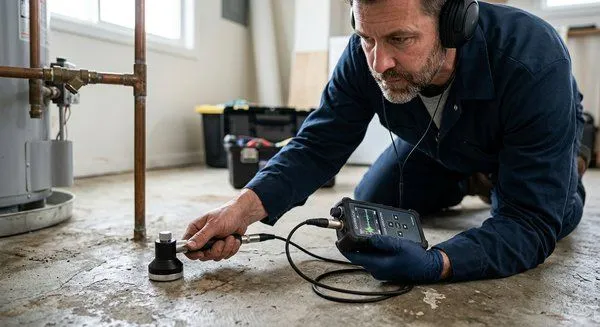
When those pipes crack or separate under the slab, you have what is called a slab leak. The tricky part is that slab leaks are nearly invisible until they have already caused significant damage.


Common warning signs include:

  • An unexplained spike in your monthly water bill
  • Warm or wet patches on your floor
  • New cracks forming in interior walls or drywall
  • A persistent musty or mildew smell coming from your floors


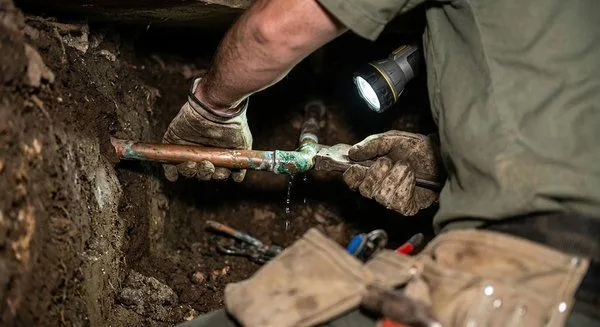
Left unaddressed, a slab leak can erode the soil beneath your foundation, leading to structural failure that can cost tens of thousands of dollars to repair. If you notice any of these warning signs, it is worth calling in a professional for leak detection sooner rather than later. For situations where accessing and repairing under-slab lines is necessary, plumbing tunneling services offer a minimally invasive way to reach and fix damaged pipes without tearing up your entire floor.

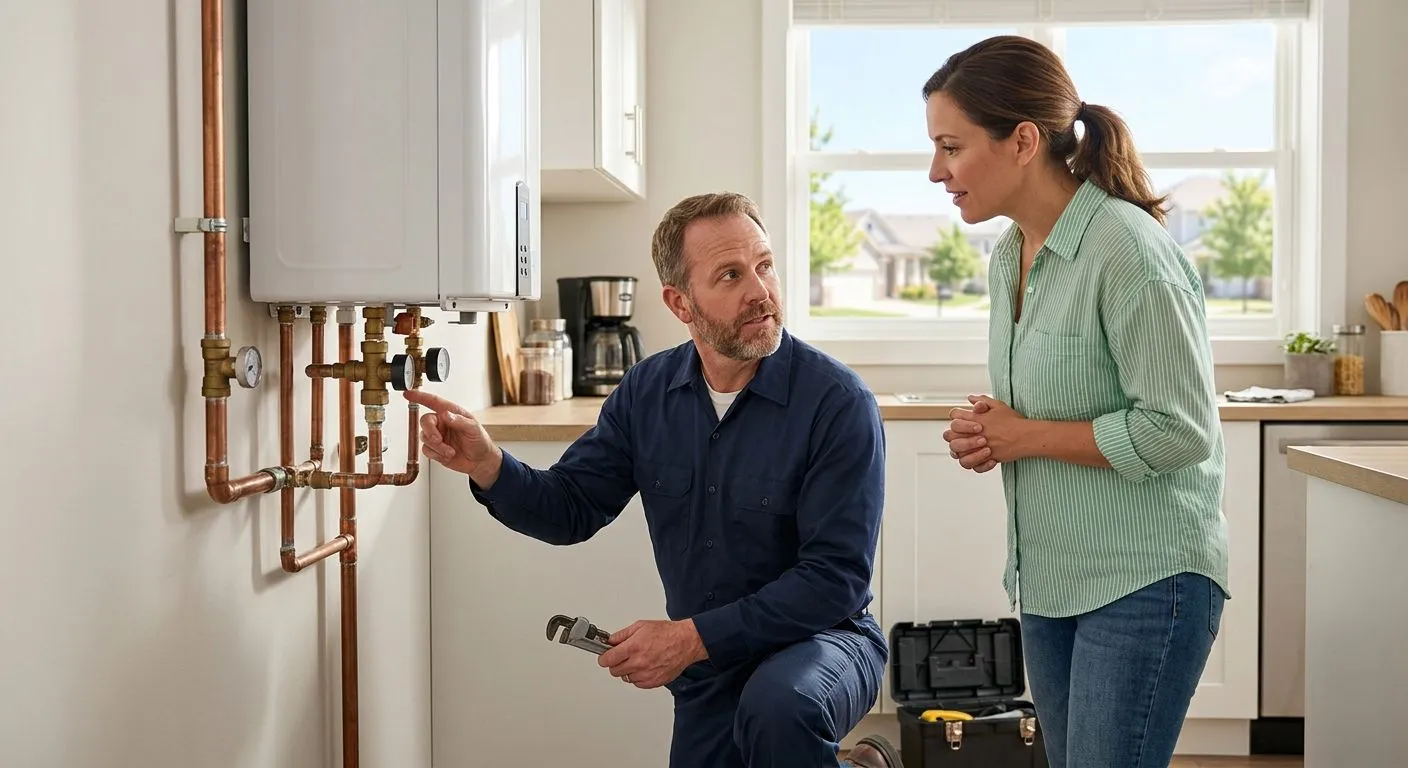
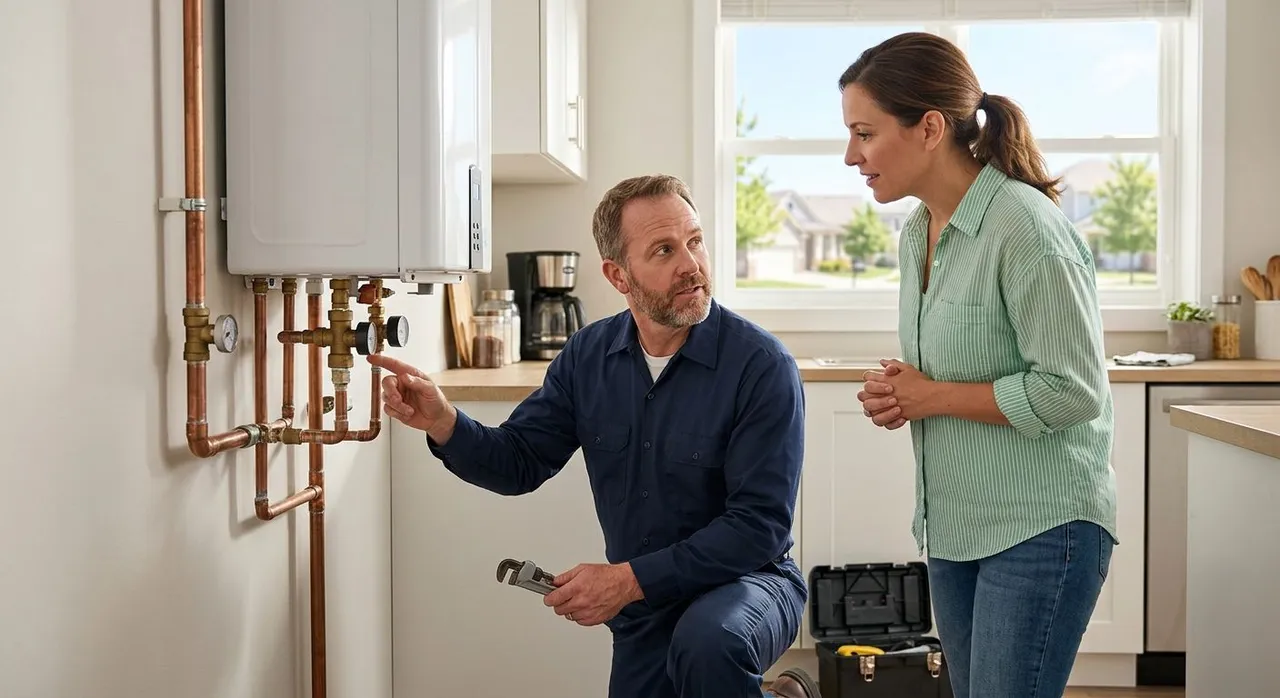
3. Tankless Water Heaters Are Worth the Upgrade

Texas homeowners are increasingly making the switch from traditional storage-tank water heaters to on-demand tankless systems, and for good reason. The U.S. tankless water heater market is projected to grow at an annual rate of 11.5% through 2033, reflecting a major shift in how homeowners think about hot water and energy efficiency.


A conventional tank heater keeps 40 to 50 gallons of water hot around the clock, whether you need it or not. That continuous energy use, called standby heat loss, adds up significantly on your monthly utility bill. A tankless system only activates when you actually turn on the hot water tap, which eliminates that waste entirely.


Beyond energy savings, the lifespan difference is hard to overlook. Traditional tank heaters typically last 8 to 12 years. A tankless unit, with basic maintenance, can run efficiently for 20 years or more. They are also wall-mounted and compact, freeing up closet or garage space that a bulky tank would otherwise occupy.


Given Jarrell's hard water conditions, pairing a tankless water heater with a water softener is one of the smartest investments a local homeowner can make for long-term savings.

4. Texas Homes Are Not Built for Freezing Weather - But Yours Can Be Prepared

Most homeowners outside of Texas do not realize just how differently homes are built here compared to northern climates. In states like Minnesota or Colorado, water service lines are buried 5 feet or more underground to keep them below the frost line. In Texas, those same lines are often buried just 1 foot deep. Pipes are also frequently routed through uninsulated exterior walls, leaving them extremely vulnerable to even brief cold snaps.


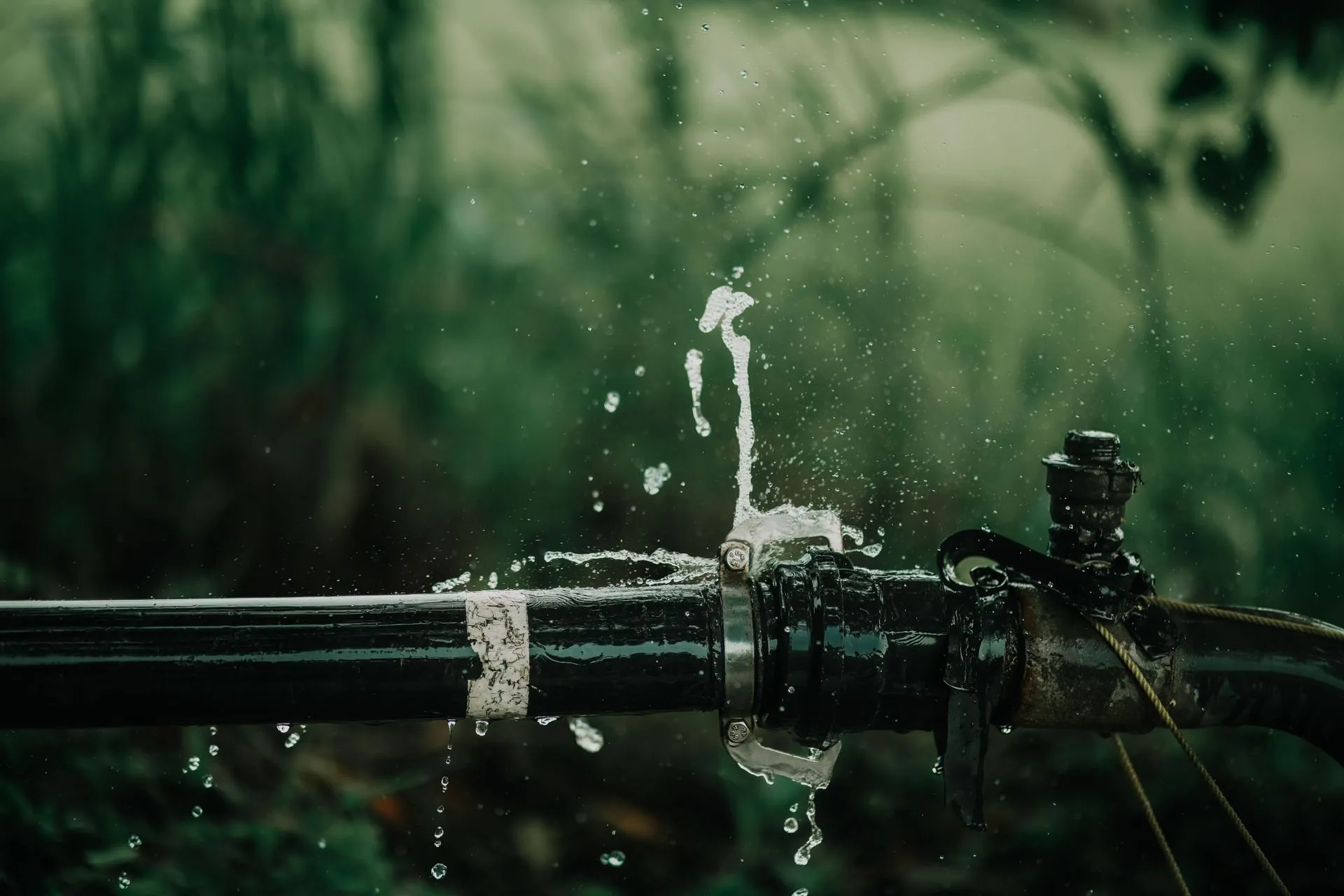
The consequences can be severe. According to major insurance carriers, the average water damage claim from a single burst frozen pipe has exceeded $30,000 in recent years. Texas consistently ranks among the top states in the nation for winter water-loss insurance claims, even during mild winters.


Preventative winterization is the answer. A licensed plumber can insulate exposed outdoor bibs, wrap water heaters located in garages or unheated spaces, and install smart automatic shut-off valves that detect a pressure drop and cut off water flow before a burst pipe floods your home. If the unexpected happens and a pipe does burst, having access to emergency plumbing services can make all the difference in minimizing water damage.

Do Not Wait for a Plumbing Emergency

The plumbing threats facing Jarrell homeowners are real, but they are also preventable. Whether you are dealing with hard water scale, a suspected slab leak, an aging water heater, or unprepared pipes heading into winter, the right residential plumbing services in Jarrell TX can help you get ahead of the problem before it turns into a crisis.


Proactive maintenance is almost always less expensive than emergency repairs. Schedule a plumbing inspection today and protect the investment you have made in your home.

Frequently Asked Questions

  • What qualifies as a plumbing emergency?

    A plumbing emergency typically involves situations that can cause property damage, health hazards, or loss of essential plumbing functions. Examples include burst pipes, sewer backups, major leaks, and no running water.

  • Should I shut off my water during a plumbing emergency?

    Yes. If possible, turning off the main water supply can help minimize damage until a plumber arrives.

  • How quickly should I address a burst pipe?

    Immediately. Burst pipes can release large amounts of water in a short period of time and should be handled as soon as possible.

  • Can a small leak become a plumbing emergency?

    Yes. Even minor leaks can worsen over time and may eventually cause significant water damage if left untreated.

  • Why should I hire a professional emergency plumber?

    Professional plumbers have the tools, training, and experience needed to safely diagnose and repair urgent plumbing problems while helping prevent future issues.

Recent Posts

Emergency Plumbing Services in Jarrell TX
June 17, 2026
Learn when to call emergency plumbing services for your home. Discover warning signs, common emergencies, and how fast repairs can prevent costly damage.
Trusted Plumbing Services in Jarrell TX
May 29, 2026
Learn why professional plumbing services are essential for homes and businesses. Discover the benefits of expert repairs, maintenance, and reliable plumbing solutions.
Professional Drain Cleaning Services in Jarrell TX
March 13, 2026
Learn the common causes of drain stoppages and how professional drain cleaning services remove stubborn clogs. Helpful tips for preventing blocked drains.